Back to Home
Meet Mark · Beyond the clinic

I treat the feet I push to the limit.

Twenty years as a podiatrist. Isle of Arran ultra finisher. Pennine Way end-to-ender. Two-time Ironman. The way I treat your feet is shaped by what I ask of my own.

60 km
Arran Ultra
268 mi
Pennine Way
Ironman
20+
Years in practice
Mark O'Sullivan
Why this matters in clinic

Endurance sport is a long, slow lesson in what feet can take — and what they can’t.

I’ve had every problem I treat. Lost toenails on the second descent of an Ironman marathon. Watched a hot spot turn to a deep blister on day five of the Pennine Way. Felt a stress reaction in my heel two weeks before Arran and worked out — fast — what to do about it.

That experience doesn’t replace twenty years of clinical practice — but it sits alongside it. When a runner comes in with plantar pain, when a hill-walker can’t find a sock that doesn’t shred their heels, when a club cyclist’s toes go numb on long rides — I’ve been there. I know what works because I’ve tried it.

Most foot problems are solvable with the right advice, in the right order. The trick is having tried it yourself.
— Mark O’Sullivan
The challenges

Three big efforts. Three sets of lessons.

Each of these put my feet under different stress. Each one taught me something I now use in clinic, every week.
Isle of Arran Ultramarathon
2026
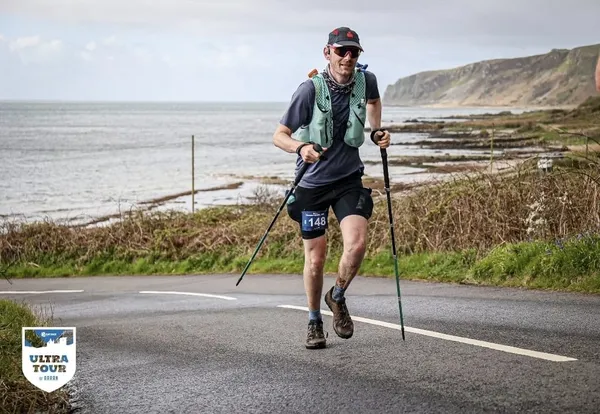
Isle of Arran Ultramarathon
60 km · 2,200 m climb

A long day across Scotland's miniature Highlands. Technical descents, scree, river crossings — feet under load on every kind of surface.

What it taught me
  • Downhill destroys toes more than uphill.
  • Drainage holes in the right place save trail shoes.
  • Pre-tape, don't react-tape.
The Pennine Way
2025
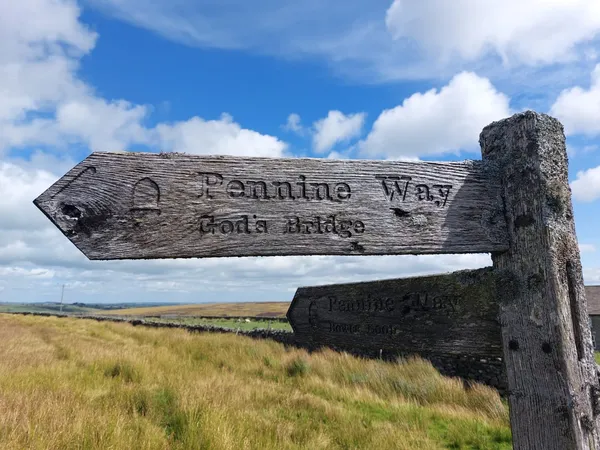
The Pennine Way
268 miles

End-to-end on foot — Edale to Kirk Yetholm. Ten days of bog, peat and grit. The kind of distance that teaches you exactly what your feet can and can't tolerate.

What it taught me
  • Hot spots become blisters faster than you think.
  • Sock changes are not optional.
  • Lacing technique matters as much as the shoe.
Ironman × 2
2015 & 2016
Ironman × 2
140.6 miles each

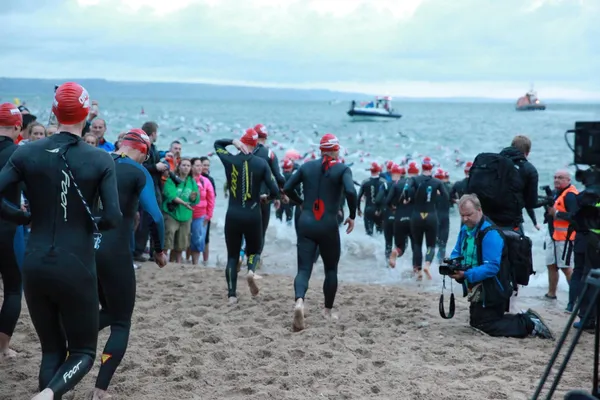
2.4-mile swim, 112-mile bike, 26.2-mile run — back-to-back. Two finishes taught me the difference between training your feet and trusting them.

What it taught me
  • Wet feet need different management to dry ones.
  • Toe nail prep before race day is non-negotiable.
  • Off-the-bike running gait changes everything.
What this means for you

Practical advice from doing, not just reading.

Sports injuries
Plantar fasciitis, Achilles trouble, stress reactions — assessed and managed with experience-led advice on training load and footwear.
Footwear & lacing
What works in real life vs. what's marketed. Practical lacing tweaks, sock choices, and trial-tested recommendations.
Toenail care
From bruised distance-runner toes to chronic ingrown nails — including surgery when conservative care isn't enough.
Skin under load
Blisters, callus and hot spots that won't quit. Prevention strategies that actually survive long days on your feet.
Movement-first assessment
Gait analysis and biomechanical screening from someone who's logged enough miles to know the patterns.
Pre-event clinic
Booked before a marathon, ultra or sportive? Tape, callus management and toenail prep — done properly.
Recovery support
Post-event soreness, lost toenails, blisters that won't heal — drop in for treatment that gets you back on your feet.
Got an event coming up?

Bring your training feet in.

Whether you’re prepping for your first 10k or your fifth ultra, a pre-event check makes a real difference. Book a session at Hall Green or Hollywood.